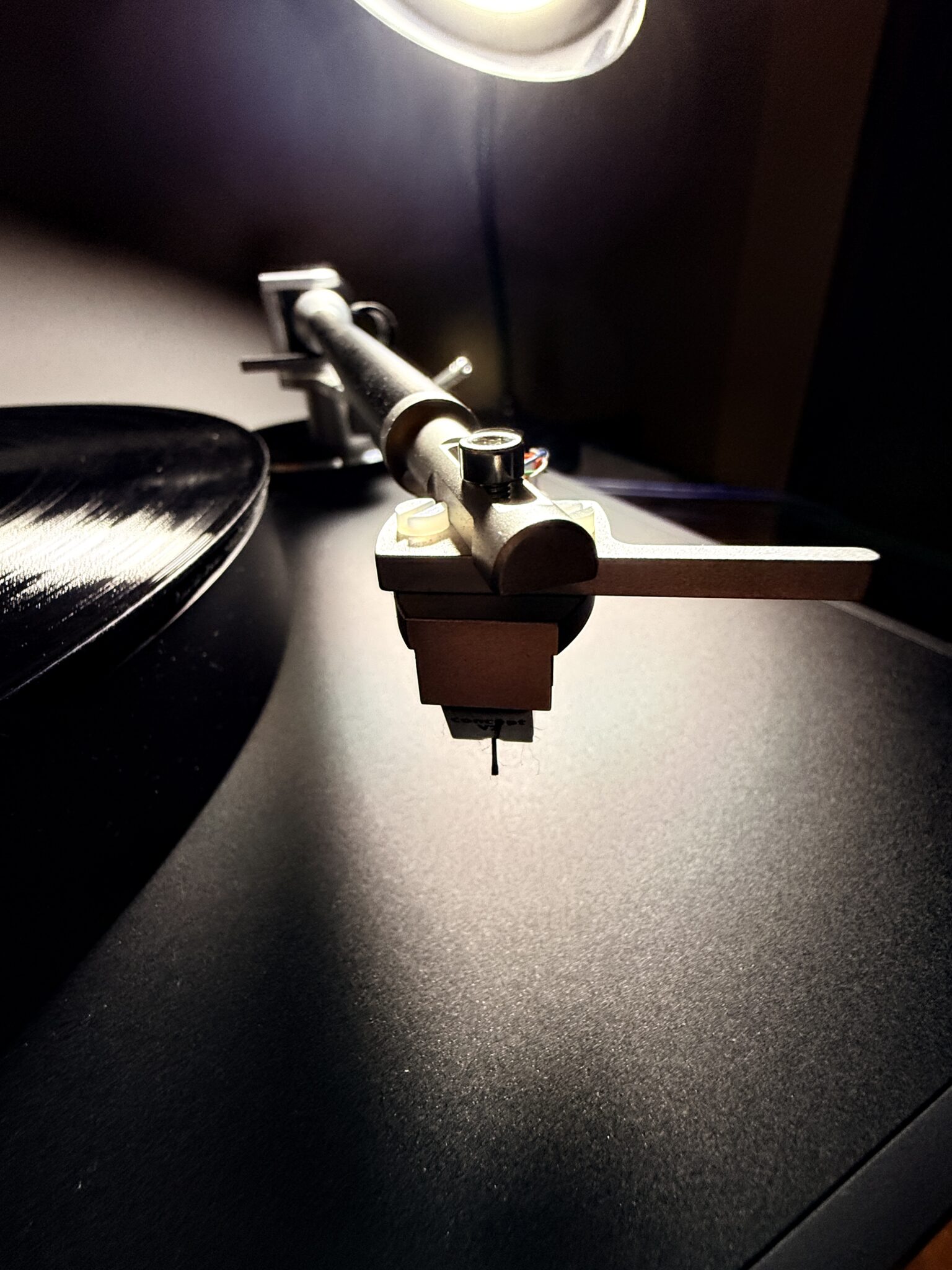
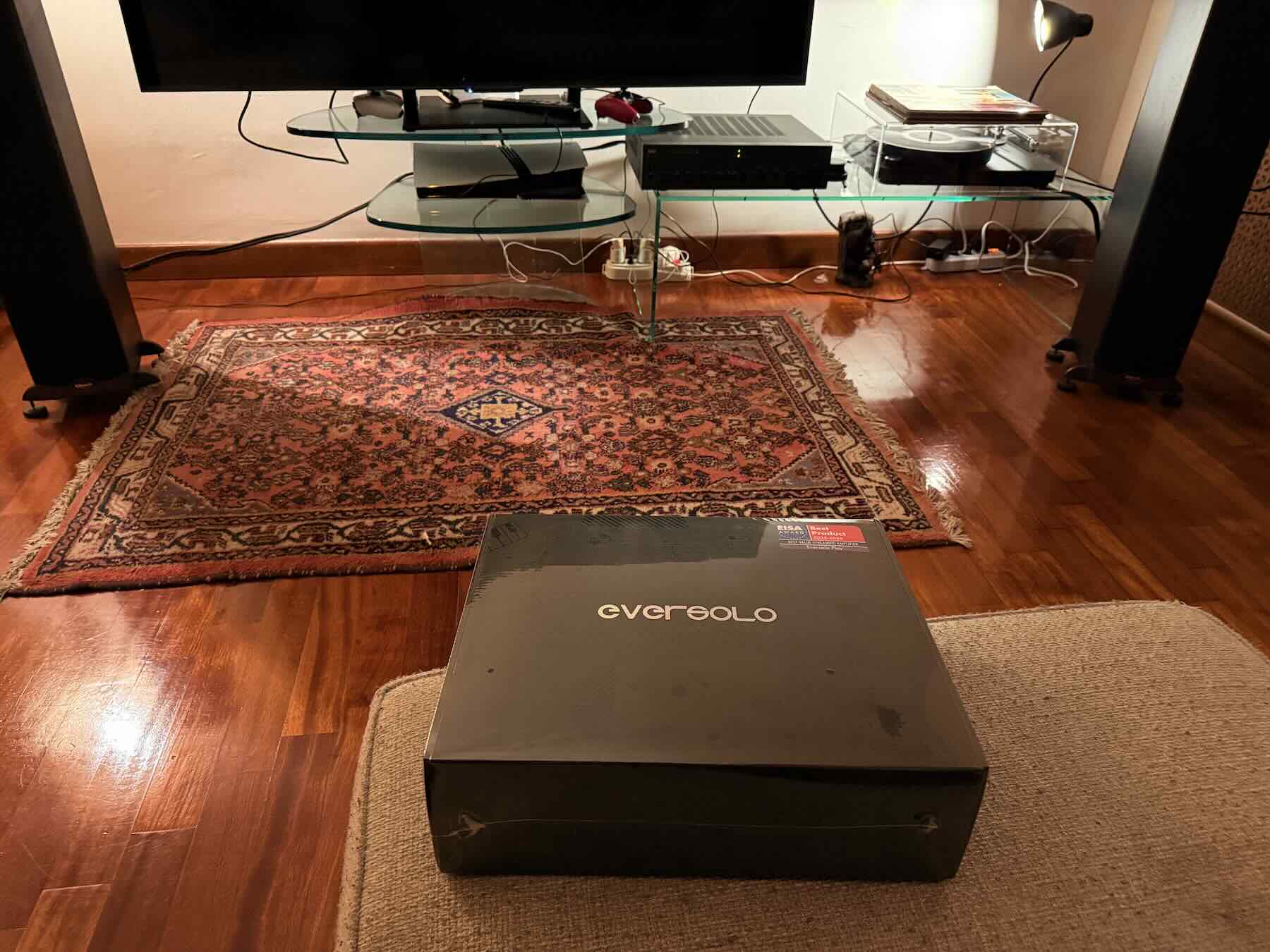
There was a moment, somewhere between lowering a needle on a record and powering on the Eversolo,
where something clicked. Two completely different worlds.
On one side, vinyl: Physical, imperfect, almost fragile.
On the other, high-resolution streaming: Clean, precise, almost invisible.
And yet, they seem to converge.
For years, digital audio felt like a compromise.
Convenient, yes. Accurate, maybe. But always slightly… constrained.
Vinyl was different. Not because it was “better”. But because it felt open.
Imperfect, but alive.
Then I set up Eversolo with Qobuz.
Not to replace vinyl. Not to chase audiophile perfection.
Just to see what happens when the digital chain stops interfering.
Qobuz delivers music in high-resolution formats, up to 24-bit / 192 kHz.
Essentially, closer to what leaves the recording studio.
Eversolo plays it as is. No resampling. No unnecessary processing. No shortcuts in the signal path.
And something interesting happens. The gap between vinyl and digital starts to close.
Not in tone. Not in warmth. Not in “character”.
In space. You begin to notice how sound is placed.
- a voice slightly ahead
- a synth further back
- a reverb tail that doesn’t collapse
- silence that actually separates things
It’s not more detail. It’s more distance. Vinyl does this in its own way. Through its limitations, it creates a sense of depth that feels natural.
High-resolution digital, when done right, achieves something similar. Not by adding color. But by removing constraints. The result is subtle. Almost frustratingly so.
You don’t sit down and say “this is better”.
You just stop thinking about the system. And when you go back, you notice it.
Everything is still correct. But closer. Flatter. Less dimensional. Maybe it’s the DAC. Maybe it’s the mastering. Maybe it’s just attention.
Or maybe we’re finally getting closer to something that was always there.
Not the sound itself.
But the space it lives in. Because in the end, music is not just what you hear.
It’s the distance between things. The silence that separates them. The room they create together.
And once that space opens up, everything else becomes secondary.
.
Newsletter
Get the next essay before it goes out anywhere else.
New essays and each new field guide, by email. Free, no ads, one-click unsubscribe.
Field guides only? Choose your list.
-
 Book · Technology Culture
What Kirkus Reviews Said About My Book, Including the Part I Agree With
Kirkus Reviews has read Who Owns Memory Owns the Future and filed its verdict: Get It. The praise is welcome. The criticism is the more useful half.
-
Essay · Technology Culture
Will AI Replace Programmers? What Three Waves of Automation Taught Me
No, and yes. AI will not replace the programmer; it is replacing most of what programmers spent their day typing. I have watched this happen twice before, at IBM and in the cloud years. Here is what changed each time, and what to do now.
-
Essay · Data & AI
12 Books on Data and Power
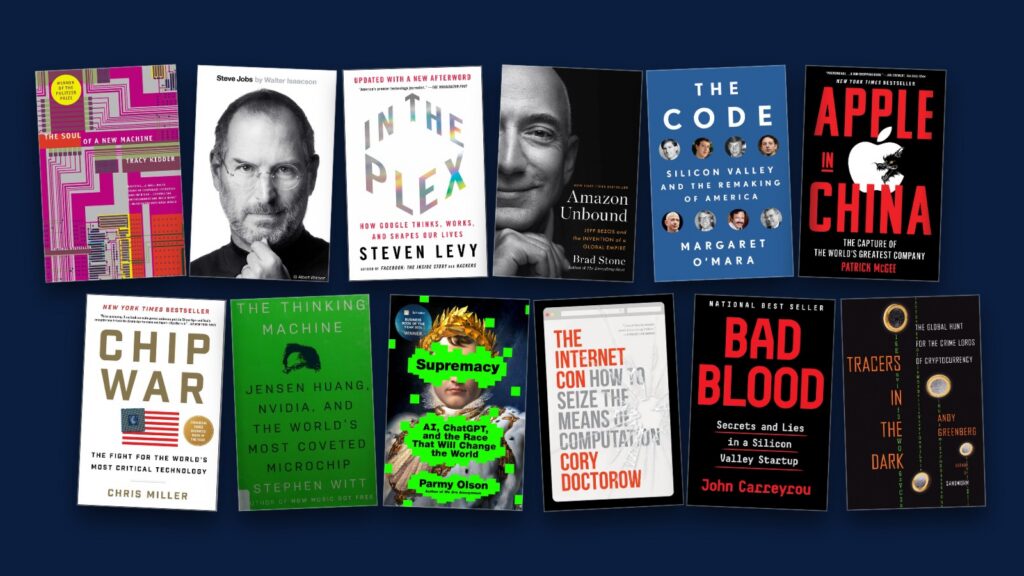
Twelve books, eleven from Wired’s seasonal thirty plus one of my own, on how compute, data and the state became one conversation.
-
Essay · Technology Culture
Ocarina of Time Remake: Nintendo Is in the Memory Business
The remake lands on Switch 2 as a rapturous review and a holiday-quarter bet. Nintendo’s real product is a memory, re-embodied and resold.