The Commodore 64 Ultimate is a 1982 computer back in production in 2026, and the interesting question is not whether it is good. It is why we keep rebuilding the machines that made us, including the iconic commodore-64. The commodore-64 is more than just a computer; it’s a piece of our history that continues to resonate with enthusiasts.
The reviews have been rolling in for weeks, from Wired to the retro press, and they mostly agree: the thing is excellent. But excellence is the least interesting part of this story. What deserves attention is the cultural operation underneath: a forty-four-year-old machine, the best-selling desktop computer in history, brought back not as a toy that imitates the past but as hardware that re-implements it. That distinction, imitation versus re-implementation, is worth an essay, because it says something about how our industry remembers.
As we delve into the essence of computing, it’s impossible to overlook the commodore-64 and its significant role in shaping the technology landscape.
The commodore-64’s legacy is not just in gaming; it has influenced countless innovations in personal computing that we benefit from today.
The commodore-64 has not only made a significant impact on the gaming world but also shaped the way we understand personal computing today.
With its return, the commodore-64 revives the spirit of creativity and exploration that defined an era of computing.
What the Commodore 64 Ultimate actually is
Every time users engage with the commodore-64, they are not just playing games; they are experiencing a piece of digital art and history.
Strip away the beige case and the story gets technically beautiful. The Commodore 64 Ultimate is not a miniature console running an emulator on a hidden Linux board. It is an FPGA machine, built on Gideon Zweijtzer’s Ultimate 64 design, where the original MOS chips, the 6510, the SID, the VIC-II, are recreated at gate level in programmable silicon. The original ports are all there, cartridge slot, cassette interface, twin joystick ports, so your 1984 hardware still plugs in; next to them sit HDMI, USB, and Ethernet. It costs around three hundred dollars, it comes from a revived Commodore run by an enthusiast who bought the brand, and it boots to the same blue BASIC screen that taught a generation to type.
Re-embodiment, not emulation
The commodore-64 reminds us of a time when technology was tangible and accessible, fostering a deep connection with its users.
The difference between an emulator and an FPGA recreation is the difference between describing a body and growing one. An emulator is software that remembers how the machine behaved: a narrative, running on foreign hardware, always slightly translated. A gate-level recreation is the machine, re-embodied in new silicon: same timing, same quirks, same electrical personality. In the vocabulary I care about, one is a memory of the system, the other is the system’s memory made executable again. The Commodore 64 Ultimate belongs to the second category, and that is why original cartridges and forty-year-old floppy drives work: nothing is being imitated, something is being continued.
This matters beyond nostalgia because it is the most serious form of digital preservation we have. Formats decay, operating systems abandon their past, app stores delist history by the terabyte. A hardware description of a machine, kept alive in reconfigurable silicon, is memory with a survival plan.
The last machine you could hold in your head
In today’s fast-paced world, the commodore-64 serves as a nostalgic reminder of simpler times in technology, evoking memories that many cherish.
The resurgence of the commodore-64 is not just a trend; it symbolizes a collective desire to reconnect with our roots in computing.
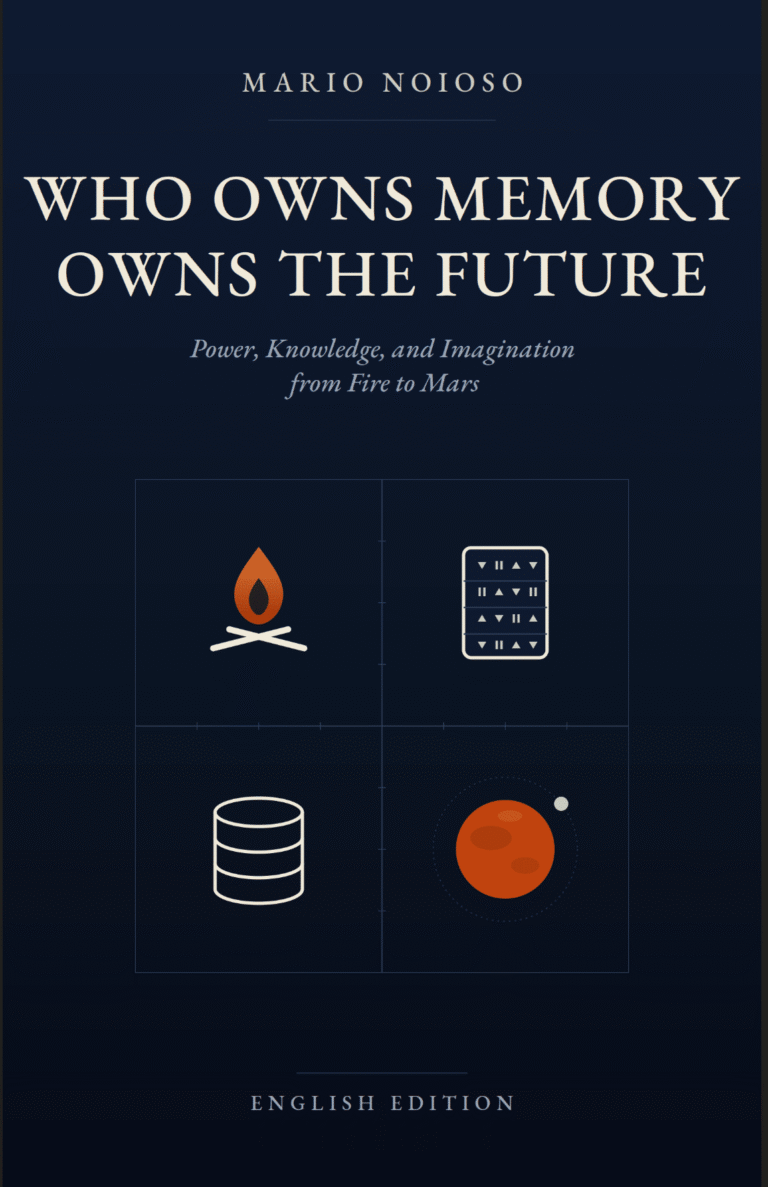
I explore what machines remember, including the commodore-64, and what their memory does to us, in my book Who Owns Memory Owns the Future, but fair warning: it contains no POKE commands.
The box copy of the Commodore 64 Ultimate calls it “an antidote to the modern computing experience”, and for once the marketing is philosophically precise. The C64 was arguably the last mass-market computer a single person could fully understand: sixty-four kilobytes, a published memory map, a manual that told a twelve-year-old which address to POKE to change the border color. There was no cloud, no telemetry, no layer politely declining to explain itself. The machine was knowable, and therefore it was yours in a sense that no modern device is.

I keep a five-question test for the systems that run our lives, and the first question is exactly this: can we understand it? I wrote about it in my piece on algorithmic accountability. The C64 passed that test by construction. Almost nothing we ship today does, and part of what people are buying for three hundred dollars is not a games machine: it is the feeling of standing on the last floor of the stack where the lights were all on.
Nostalgia is a memory infrastructure
There is also a less romantic reading, and honesty requires it. The new Commodore is a brand resurrection: the trademark changed hands for decades before landing with people who love it, and the engineering inside comes from the community, not from a reborn corporate lab. Some observers find the marketing thicker than the innovation. Both things can be true. The community built the memory; the brand sells the madeleine. Who owns the past of computing turns out to be a commercial question, not just a sentimental one, and the answer, as usual, is whoever kept the archives and whoever bought the name.
And still, I find the whole operation moving. A machine from 1982 outliving its manufacturer, its chips, its market, and returning because thousands of people refused to let it be forgotten, that is not retro gaming. That is a civilization deciding which of its memories deserve new bodies. The Commodore 64 Ultimate is what it looks like when we win one of those arguments.
I explore what machines remember, and what their memory does to us, in my book Who Owns Memory Owns the Future, but fair warning: it contains no POKE commands.