Beyond Code Translation: Why Your COBOL Modernization Should Skip the Relational Trap
Forget the double migration. Use AI-driven semantic analysis to leap directly from Mainframe to document-oriented…
DATA, AI, AND THE REAL WORLD
How modern systems are designed, scaled, and sometimes broken. Data models, distributed systems, architectural trade-offs, and hard technical choices.
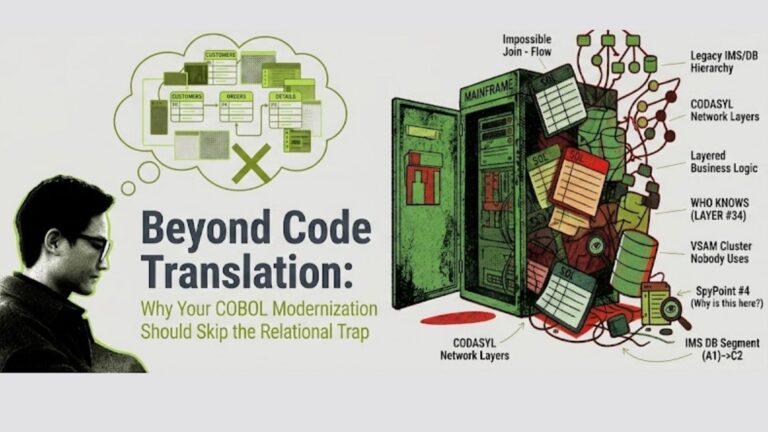
Forget the double migration. Use AI-driven semantic analysis to leap directly from Mainframe to document-oriented…

MongoDB Data Modeling: The Shift to an Application-First Mindset Most data models don’t break in…
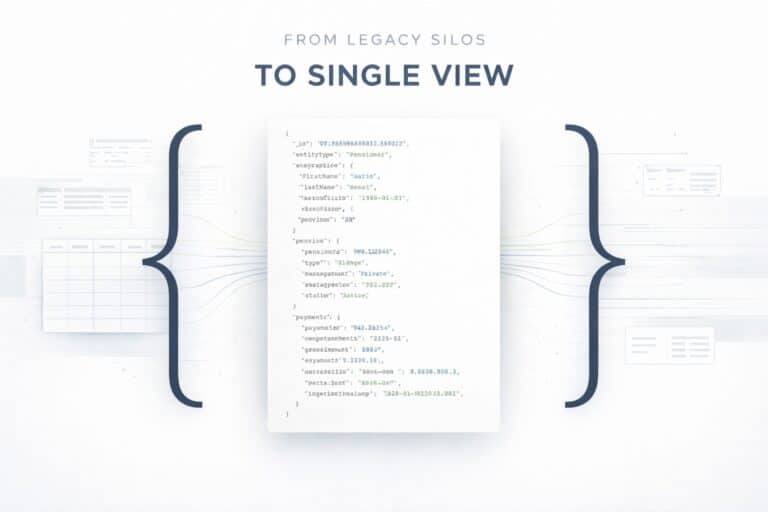
Public institutions accumulate legacy silos over decades, fragmenting the representation of the citizen across systems. This article explores how an entity-centric Single View architecture, built on MongoDB, transforms integration from runtime joins into a persistent operational model for the Public Sector.
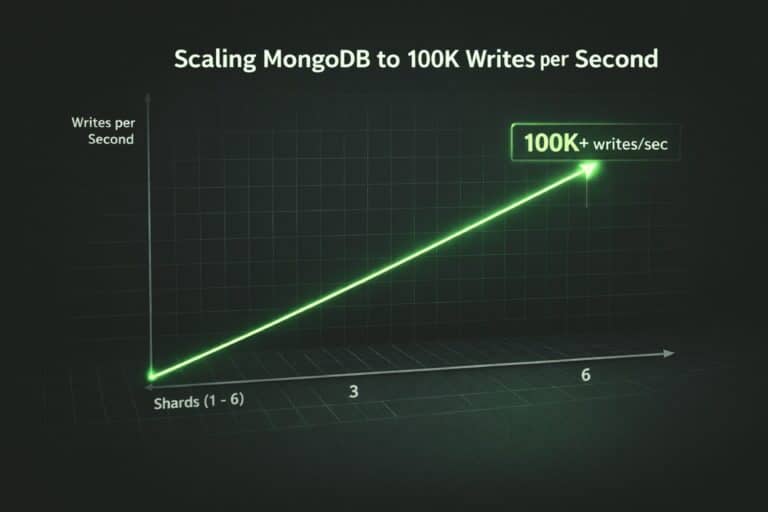
Sustaining 100K+ writes per second in MongoDB is not a tuning trick — it is an architectural decision. This article breaks down how to design a sharded cluster using realistic Atlas hardware (32GB RAM, 8 CPU, standard storage) and achieve linear horizontal scaling through deterministic shard key distribution, clean write paths, and disciplined index strategy.

Data quality is not a downstream fix.
It is a structural property of the system.
Only when data management decisions converge into a Golden Record does quality become measurable, explainable, and governable over time.
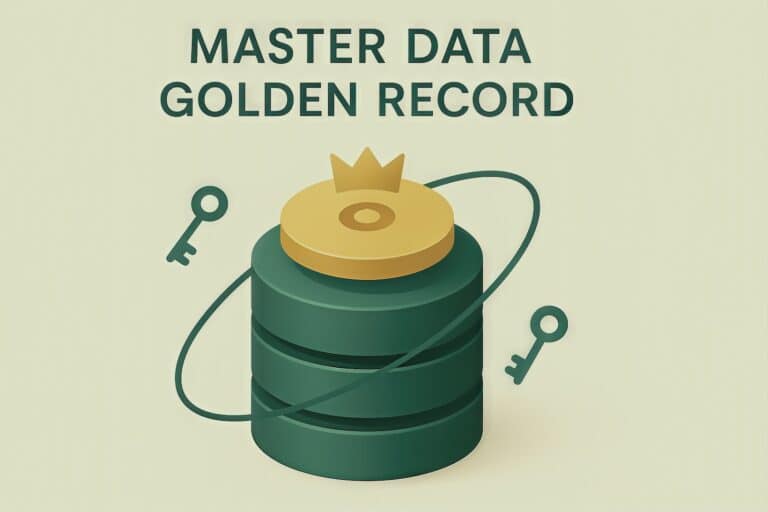
Master Data Management is not about consolidating records or choosing a system of record.
It is about defining how truth is constructed when systems disagree.
This monograph presents a production-grade MDM pattern based on attribute-centric Golden Records, explicit governance, and temporal versioning. From ingestion to conflict resolution, it shows how truth is composed, explained, and preserved over time in real enterprise architectures.

Why most AI agents fail in production and how to design them properly.

Modern big data architectures are no longer about scale, but about change.
This article explores how composable, workload-aware data systems are designed today, focusing on architectural patterns that support analytics, AI, and operational intelligence without collapsing under complexity.
End of content
End of content