

What Kirkus Reviews Said About My Book, Including the Part I Agree With
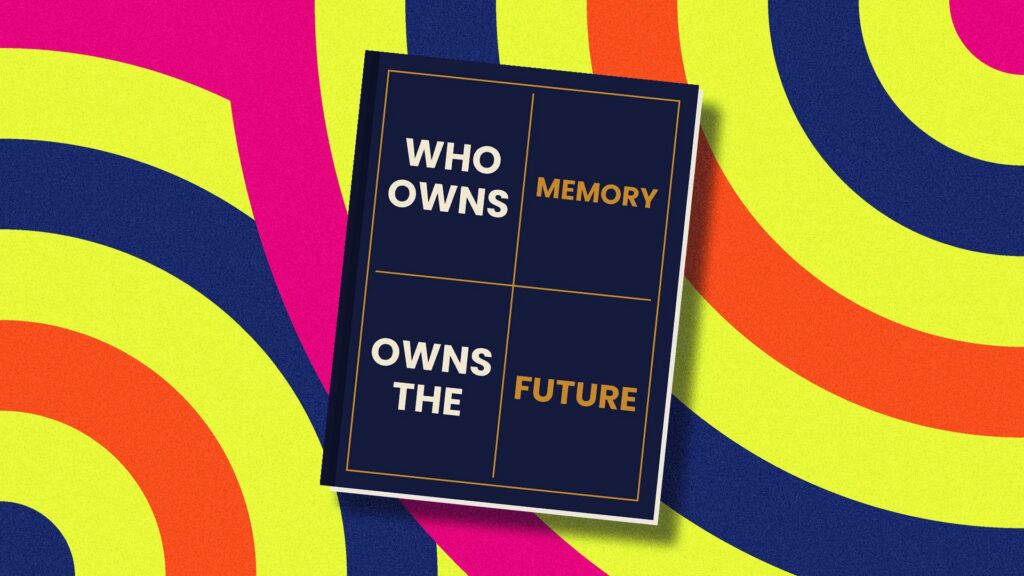
Kirkus Reviews has read Who Owns Memory Owns the Future and filed its verdict: Get It. The praise is welcome. The criticism is the more useful half.
Technology culture, vintage systems, hi-fi, games and the long memory of the devices, media and habits that shaped how we think.
The latest
Kirkus Reviews has read Who Owns Memory Owns the Future and filed its verdict: Get It. The praise is welcome. The criticism is the more useful half.

Twelve books, eleven from Wired’s seasonal thirty plus one of my own, on how compute, data and the state became one conversation.

The remake lands on Switch 2 as a rapturous review and a holiday-quarter bet. Nintendo’s real product is a memory, re-embodied and…
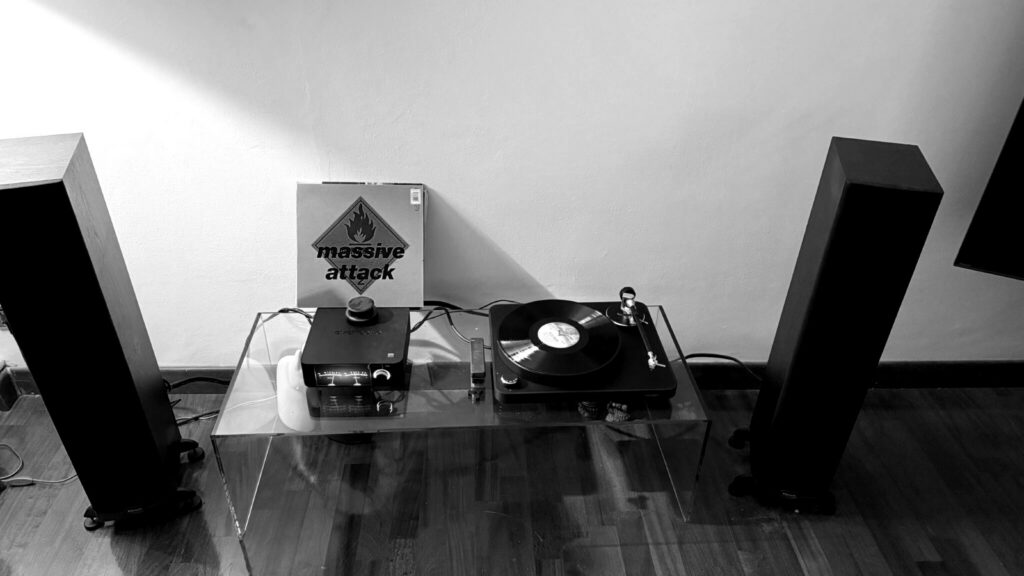
I rebuilt my hi-fi around one rule: every box must justify its place. Three survived. Notes on minimalist listening.
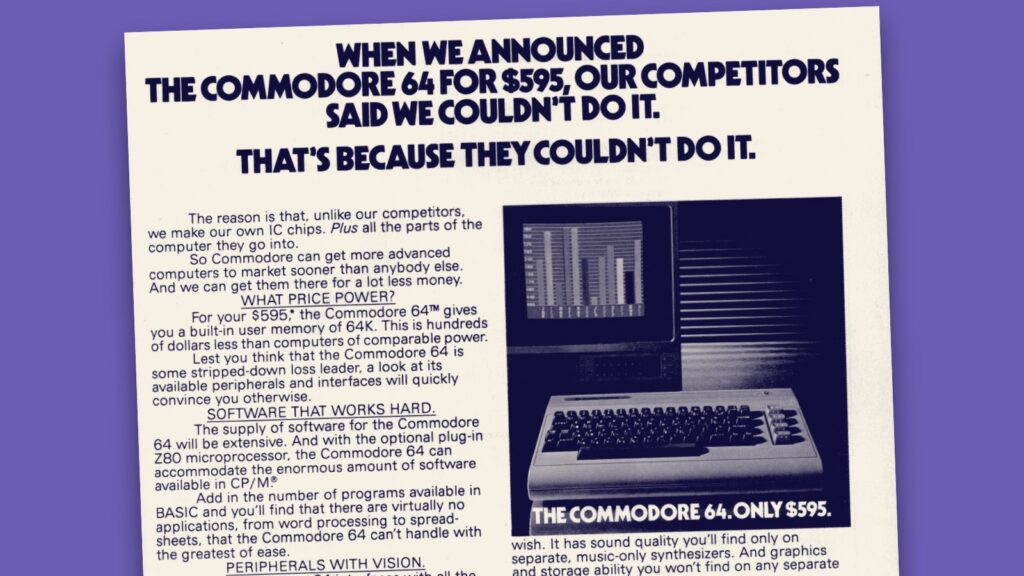
Not emulation but re-embodiment: gate-level silicon memory of a 1982 machine, and a lesson in understandable computing.

I spent a career building the systems that remember on our behalf. Then I asked who owns them. Why I wrote Who…

The most profitable artifact ever built about stealing keeps getting stolen, and the theft now speaks the game’s own language.
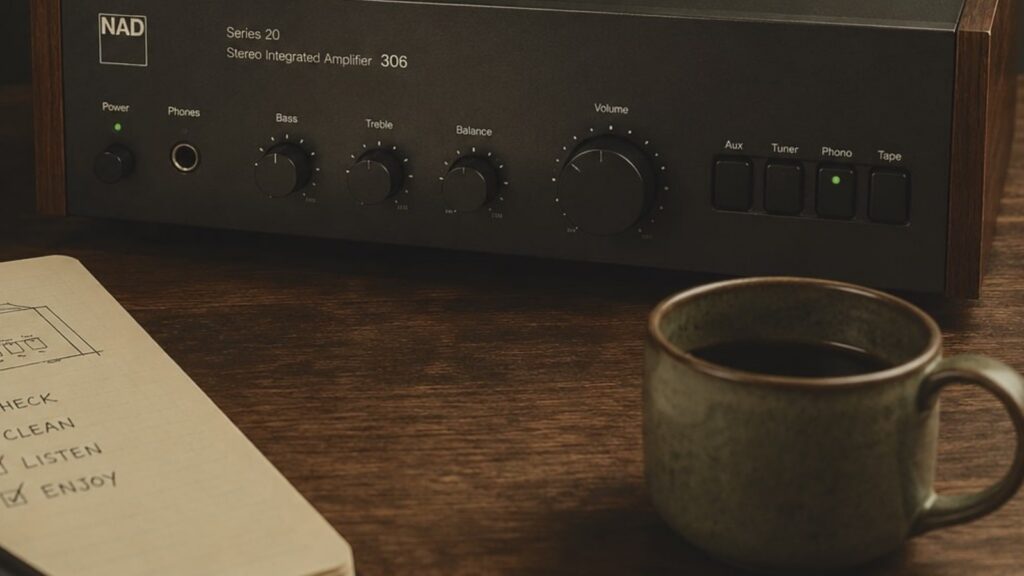
A used NAD 306 is a bargain and a responsibility. What to check, what to replace, and what to leave alone.
Open source is essential to Europe’s sovereignty debate, but it is not a magic word. Who governs, maintains and secures the stack?
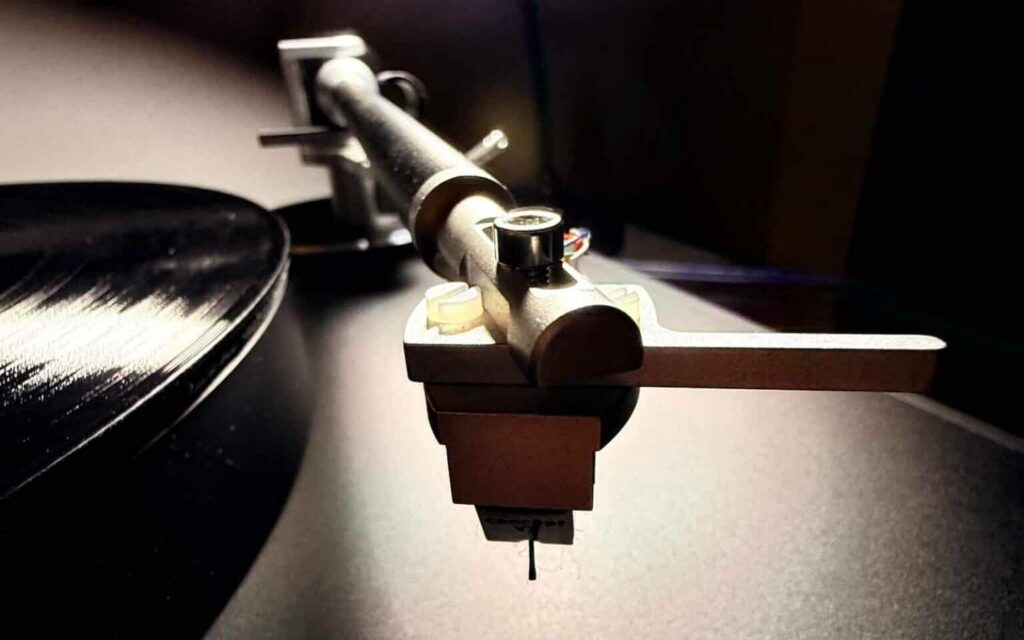
Vinyl and high-resolution streaming look like opposite worlds. When the system gets out of the way, they converge. Not in sound. In…

AI is not simply accelerating work. It is reshaping how organizations are structured, how decisions flow and how coordination happens.

When AI writes the code, the real job moves somewhere else. Something quiet but structural is happening to software engineering.

Some books are not meant to be read in a line. Gödel, Escher, Bach teaches not what to think but how thinking…

Governance is not paperwork or a one-time decision. It’s what remains when systems disagree, assumptions decay, and time forces truth to be…

The smartphone is no longer a companion device. As computing moves to the cloud, the most important computer is the one always…

From 8-bit pixels to EA Sports FC 26: football games as a mirror of how systems grow complex and realism replaces abstraction.

A real-world home office setup focused on wired connectivity, reliable audio and video, and long working hours from home.

Kirkus Reviews has read Who Owns Memory Owns the Future and filed its verdict: Get It. The praise is welcome. The criticism is the more useful half.

No, and yes. AI will not replace the programmer; it is replacing most of what programmers spent their day typing. I have watched this happen twice before, at IBM and in the cloud years. Here is what changed each time, and what to do now.

Netflix hosted the preview, Hollywood is scheduling around it, PwC wrote a strategy memo. What it means when one piece of software can pause everything else on November 19.
Twelve books, eleven from Wired’s seasonal thirty plus one of my own, on how compute, data and the state became one conversation.
The remake lands on Switch 2 as a rapturous review and a holiday-quarter bet. Nintendo’s real product is a memory, re-embodied and resold.

I rebuilt my hi-fi around one rule: every box must justify its place. Three survived. Notes on minimalist listening.

Not emulation but re-embodiment: gate-level silicon memory of a 1982 machine, and a lesson in understandable computing.
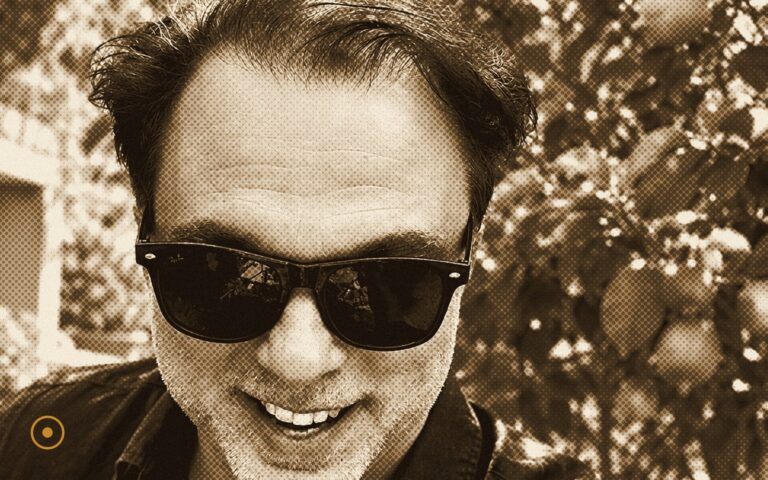
I spent a career building the systems that remember on our behalf. Then I asked who owns them. Why I wrote Who Owns Memory Owns the Future.

The most profitable artifact ever built about stealing keeps getting stolen, and the theft now speaks the game’s own language.
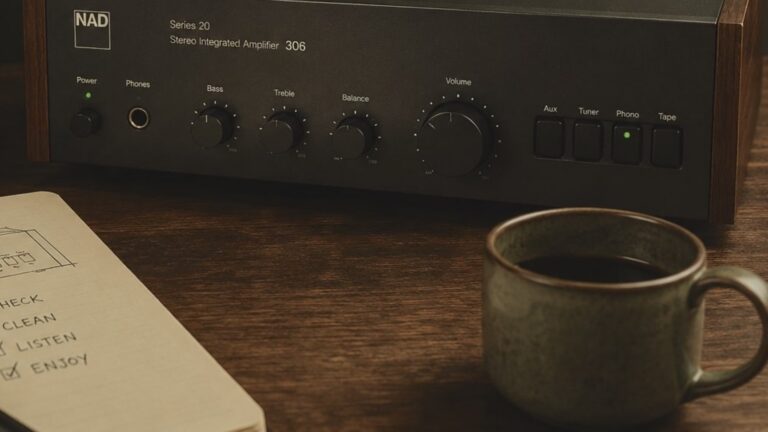
A used NAD 306 is a bargain and a responsibility. What to check, what to replace, and what to leave alone.
End of content
End of content
Search the archive
Search more than 90 articles across data, AI, public-sector transformation, technology and culture.